Otter
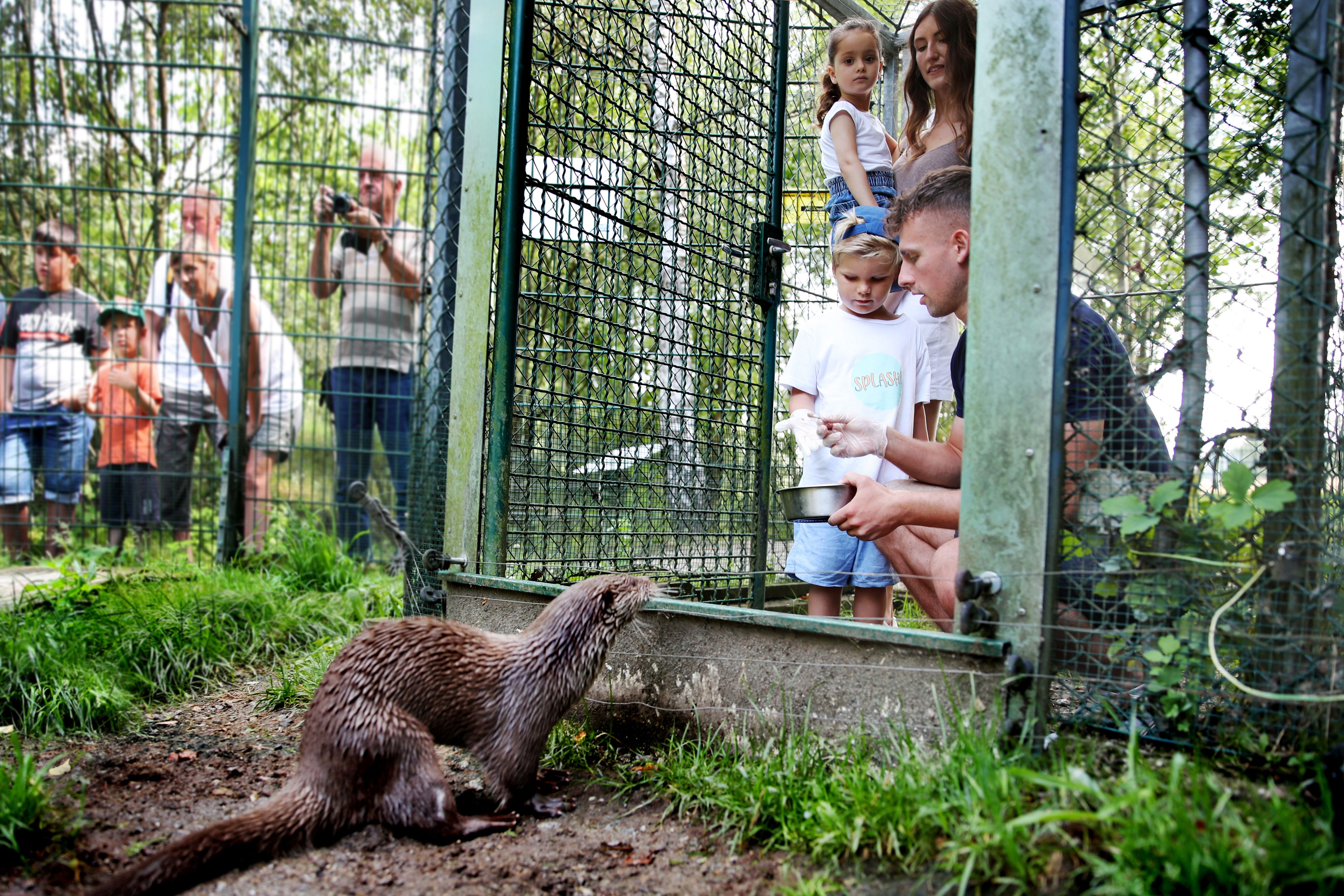
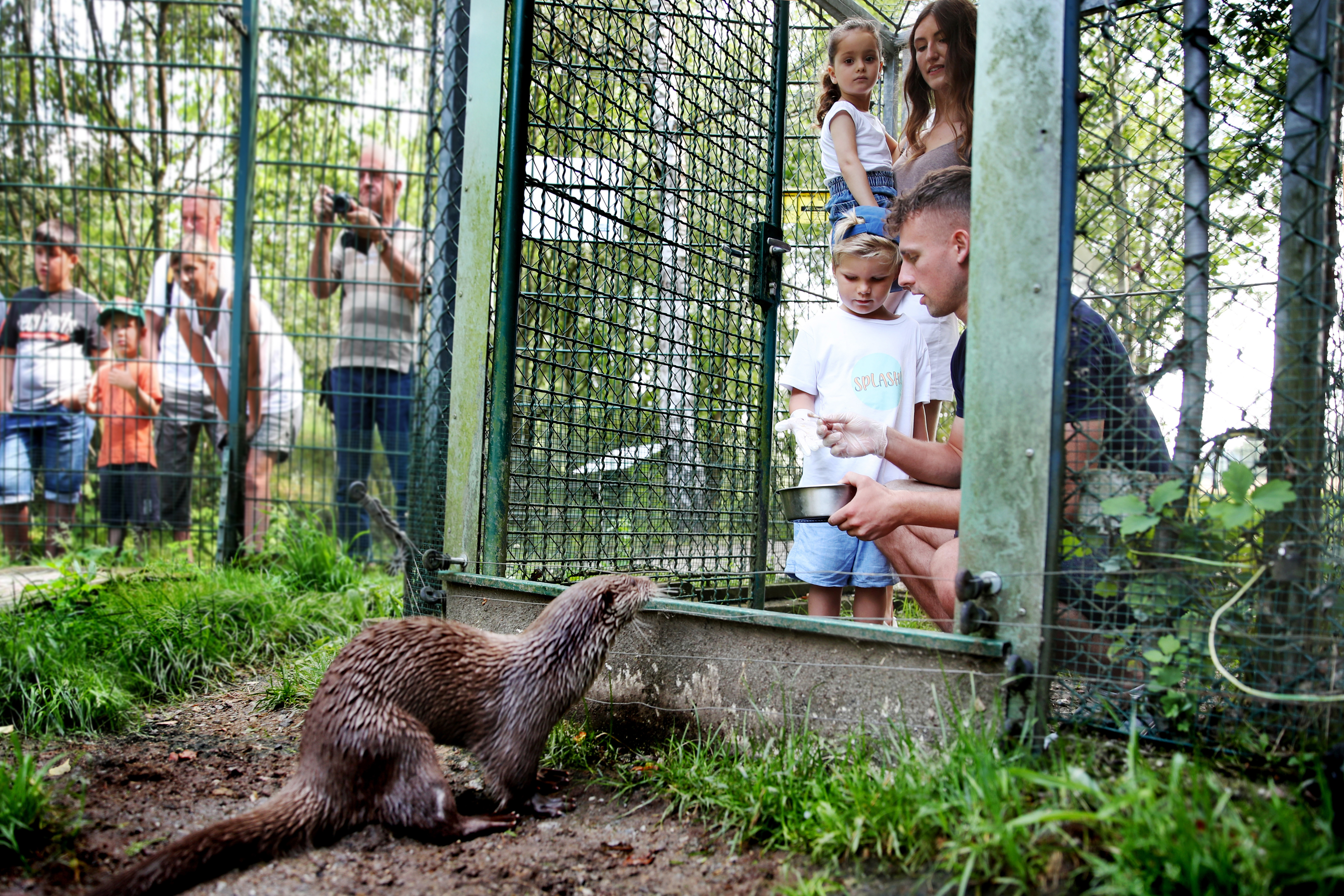
Otter feeding sessions
daily at 10.30 am, 1.30 pm and 4 pm
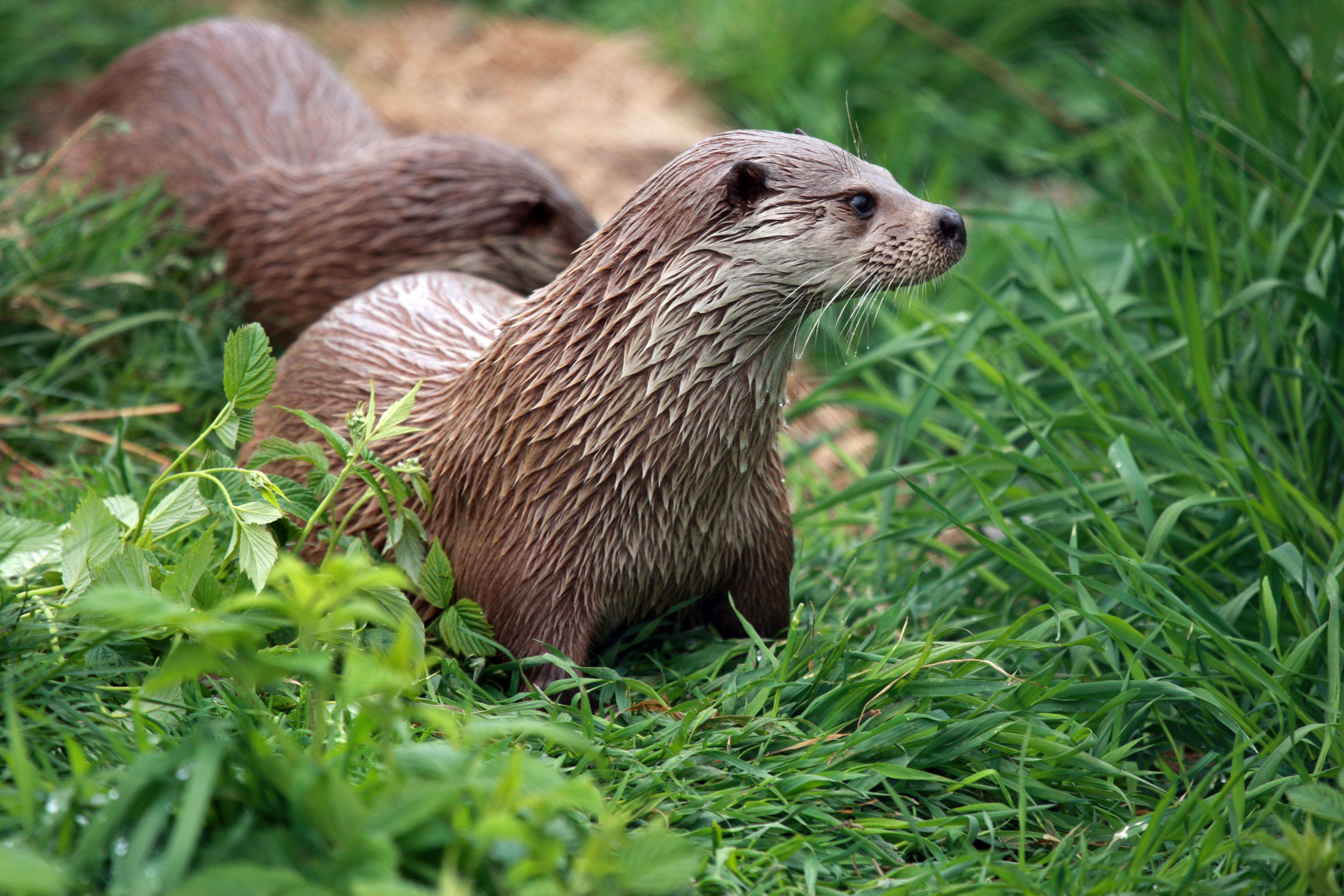
OTTO, the foundling
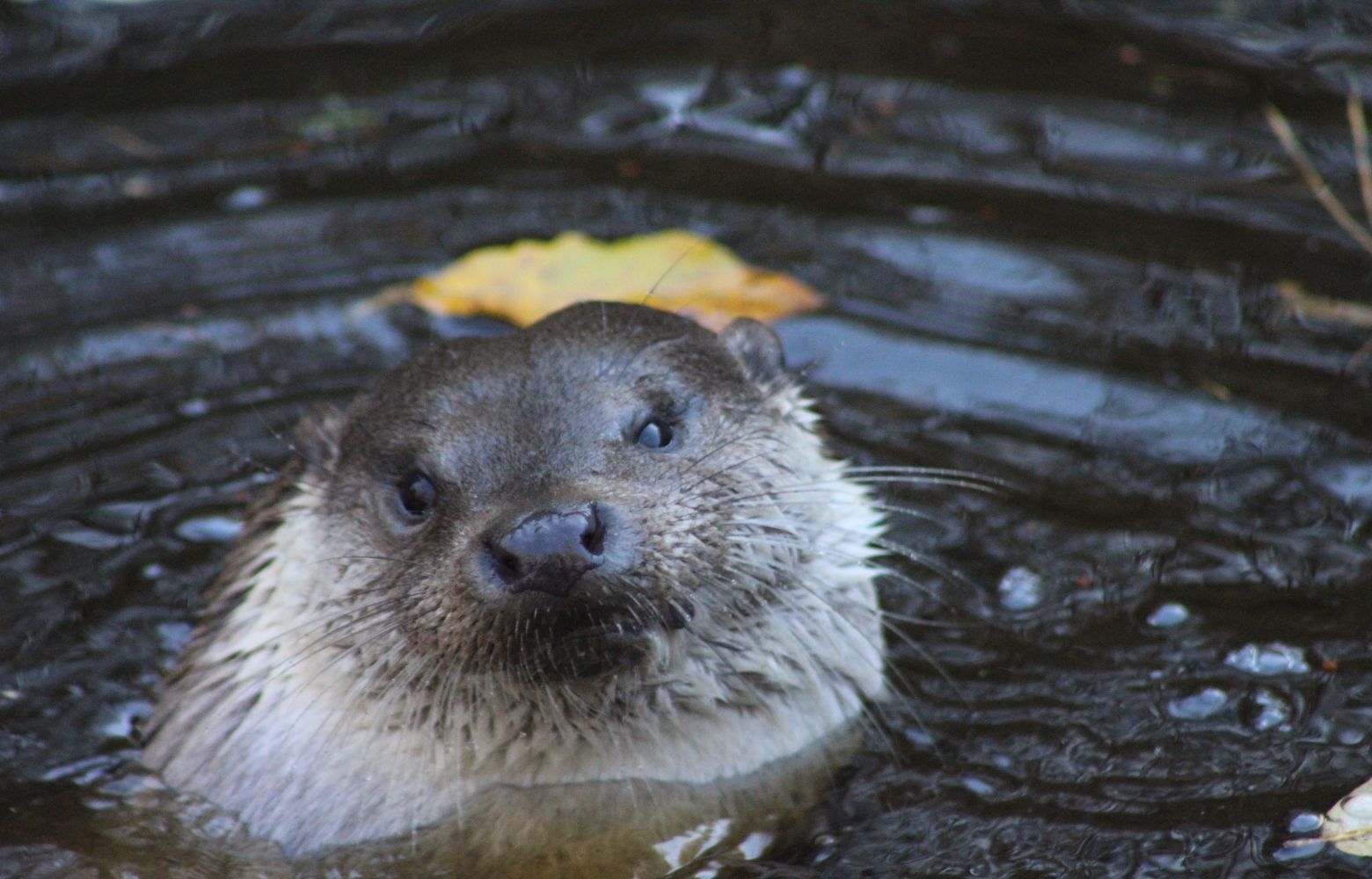
In October 2021, an unusual find was brought to the Steyregg Veterinary Practice (Upper Austria). An injured baby otter was one of the few wild animal species with which the veterinary couple Daniela and Stefan Wöckinger had no previous experience. Contact was quickly established with UnterWasserReich in Schrems, and the new arrival was lovingly cared for and looked after by the Wöckinger family via remote coaching. The head wound of unknown origin healed, and soon ‘Otto’ became just as much a part of the Wöckinger family as the many other animals in their care and their own dogs. In their search for a permanent home, they found what they were looking for at UnterWasserReich.
Foundling LOTTI
Lotti has been living permanently at UnterWasserReich since spring 2024. The orphaned Eurasian otter (Lutra lutra) was around 9 months old at the time.
Lotti originally comes from Upper Austria, more specifically from Linz. She lived with her mother in the Traun river, effectively in the urban jungle. Unfortunately, something must have happened to her mother, possibly a road accident. Little Lotti was found on a road this January, orphaned, severely malnourished and covered in ticks, and was rescued from certain death. She was subsequently handed over to the Freistadt animal shelter. There, she was lovingly nursed back to health by her foster mum, Tamara Binder.
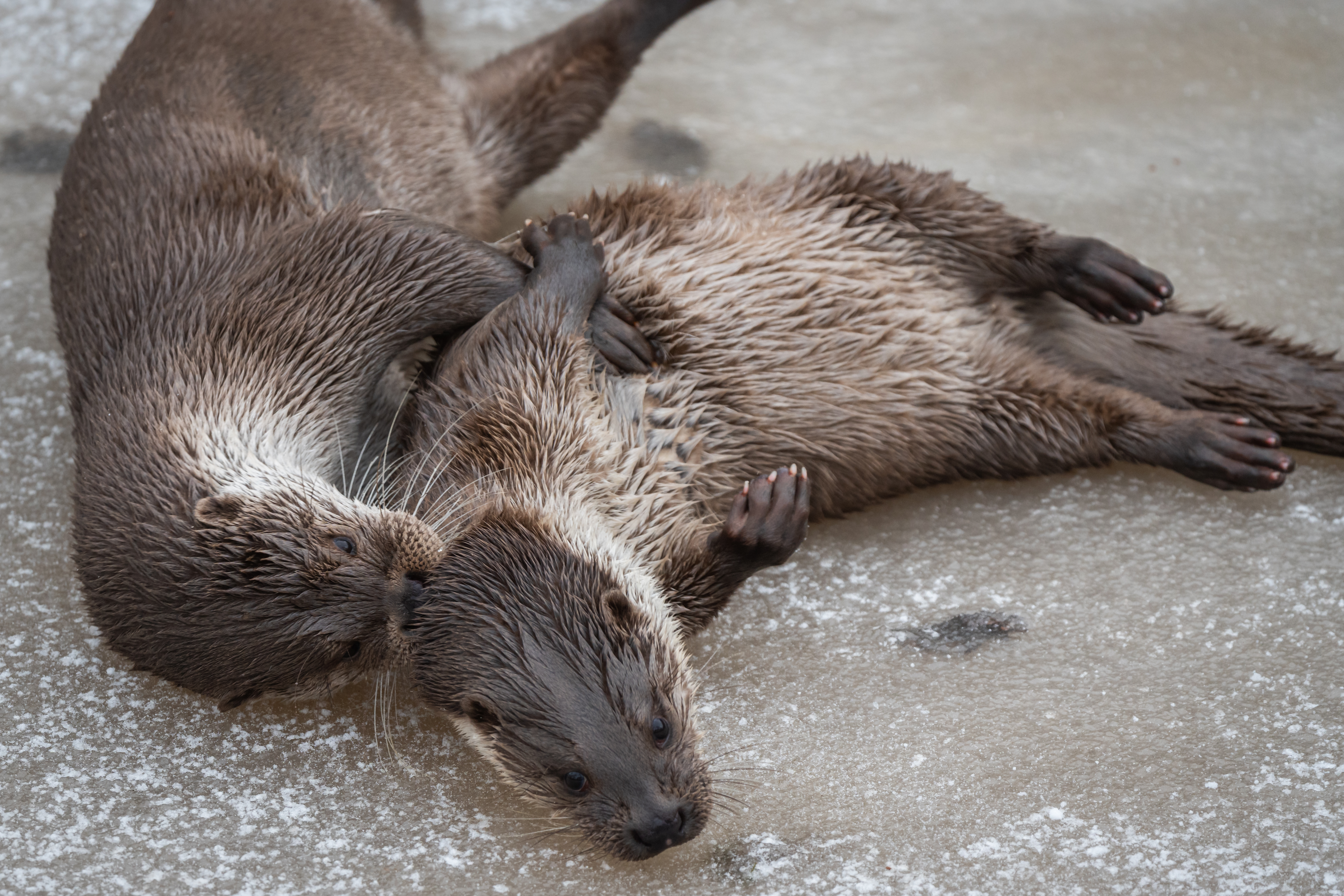
Since the beginning of 2025, she has been living with Otto in the large, species-appropriate otter enclosure, and the two get on brilliantly!
Why do foundling otters need to be rescued at all?
Otters are semi-aquatic creatures and have a very specific lifestyle. To be prepared for life, they require a great deal of maternal care: naturally, otter cubs must be nursed, but even seemingly simple things such as swimming and diving, right through to how best to catch prey, must first be learnt. To perfect these skills and more, the young remain dependent on their mother for around 13 months until they are capable of surviving on their own.
Originally, the otter was widespread throughout Europe; it was only in the last century that its population was so decimated that it became a protected mammal species. Otters were hunted for many years, partly because of their prized fur.
In the meantime, populations in Austria have recovered so strongly that the majority of the country is once again inhabited by otters.